
Fungal infections of the skin are generally not considered to be serious, but they can be very uncomfortable and cause you to feel embarrassed. Luckily, there are easily accessible treatment options available, like Canex T. Below we break down four different types of mycoses, giving you everything you need to know to treat and avoid these common infections.
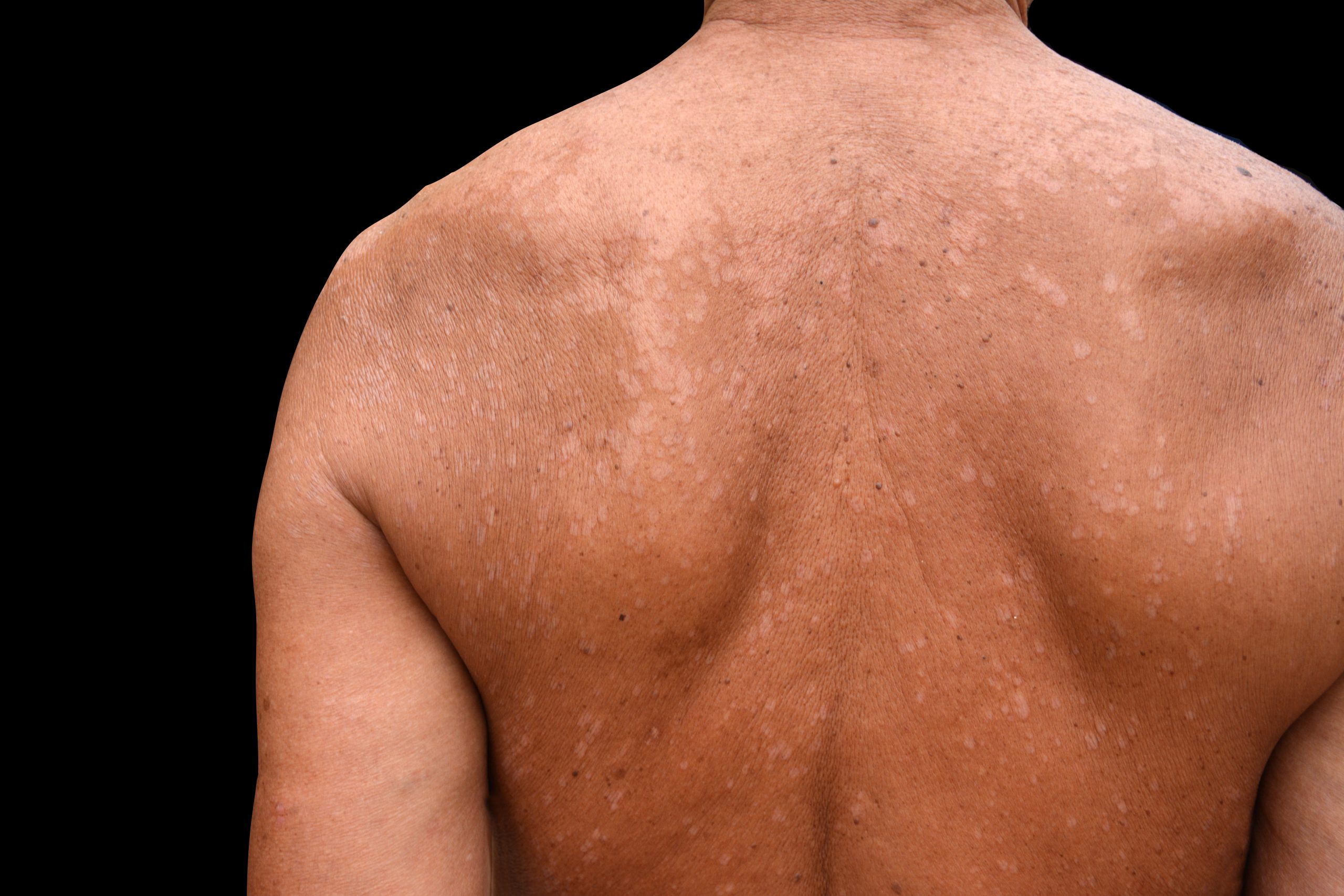
Caused by the overgrowth of naturally occurring yeast, pityriasis versicolor (PV) is a common fungal infection that affects the skin. PV causes flaky, discoloured patches on the skin, usually the chest, back, upper arms, neck, or tummy. The colour of the patches depends mainly on your skin tone, but differ from the small, scaly spots that occur with pityriasis rosea. The discoloured patches caused by PV are flat and round and can join up to form large areas of discoloration.
PV can affect anyone but is more common in young adults who are exposed to hot, humid climates causing them to sweat a lot. Unlike some other infections, PV is not considered contagious, but it can affect multiple people in one family.
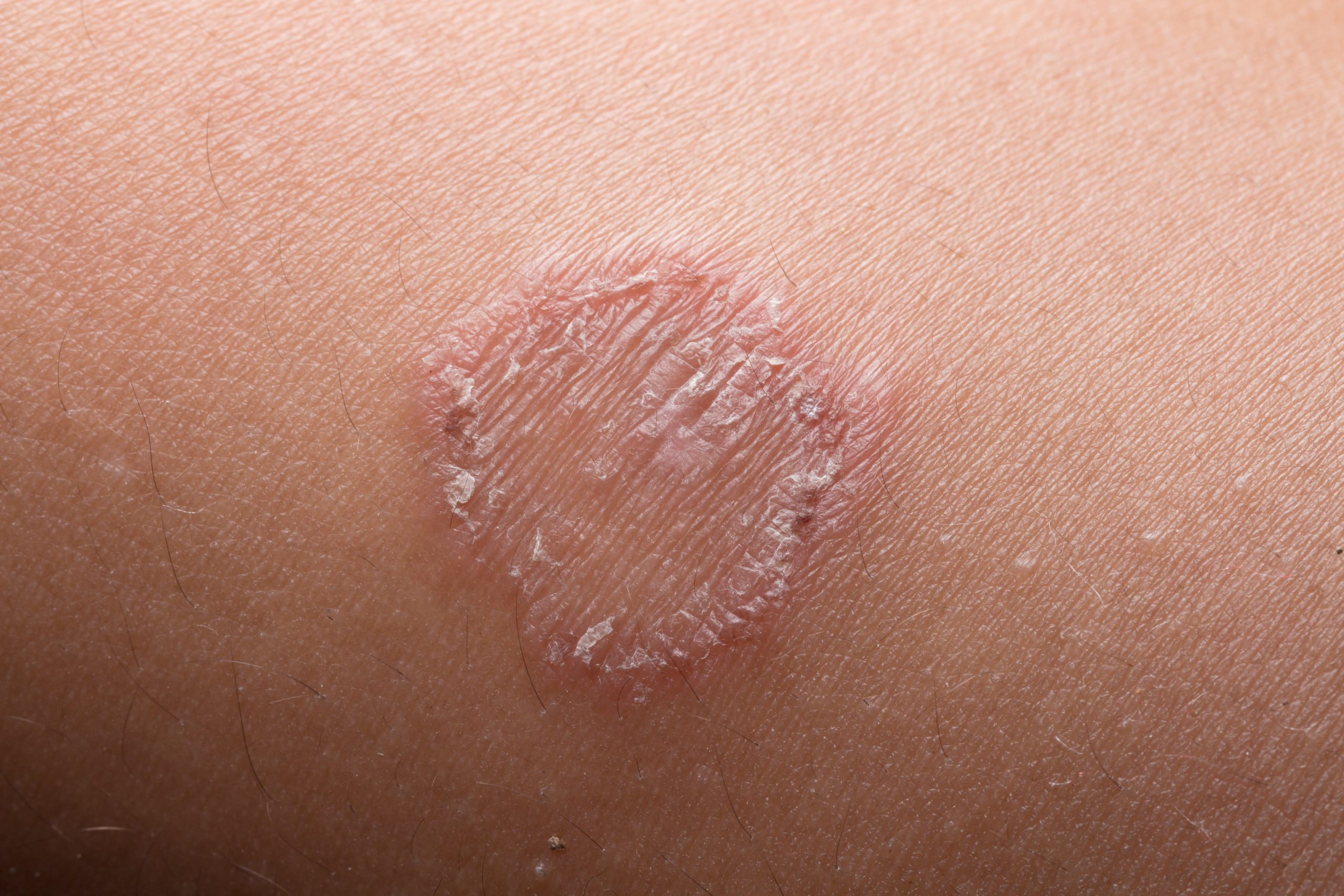
Despite its name, ringworm is not caused by a worm but by a fungal infection. It appears as a red, circular rash with clear skin in the middle, resembling a ring. This rash can look different depending on the location, but most ringworm rashes are round, scaly, and itchy. Ringworm is very contagious and can be passed on from humans, animals, objects, and even soil containing one or more of the 40 different mould-like parasites that cause the infection.
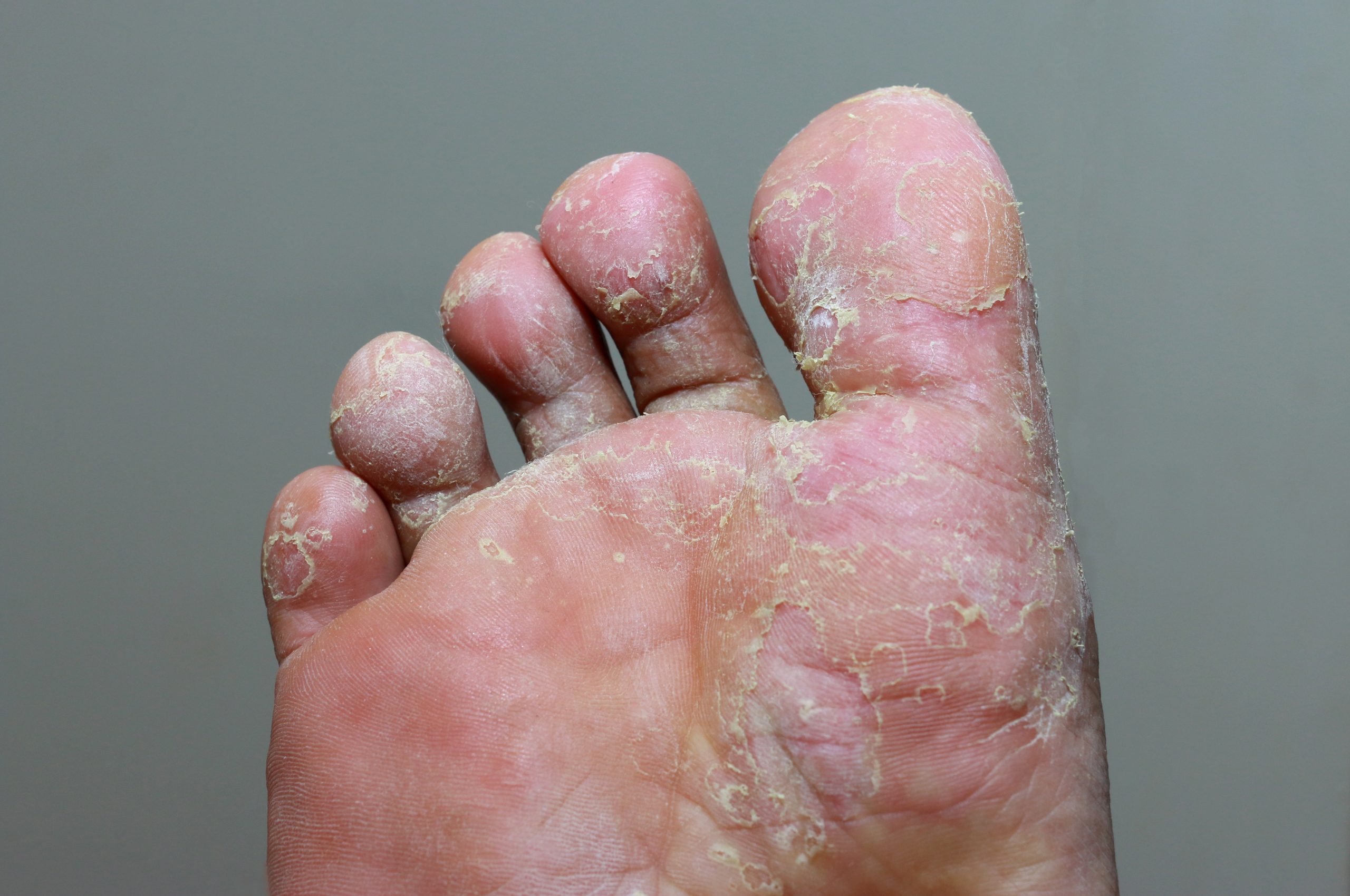
As the name suggests, athlete’s foot is a fungal infection that occurs on the foot, usually starting between the toes. Athlete’s foot can affect one or both of your feet, causing an itchy, stinging, or burning rash on the skin between your toes. In some cases, this rash can also move to the soles or top of your feet, resulting in scaly, cracked, and smelly feet. Anybody can get athlete’s foot, but those who have very sweaty feet confined in tight shoes, men, and people who are overweight, have diabetes, or a weakened immune system are more at risk.
Like ringworm, athlete’s foot is very contagious and is spread by contact with infected people or objects. Public bathrooms, showers, and saunas are especially high-risk locations for contracting athlete’s foot.
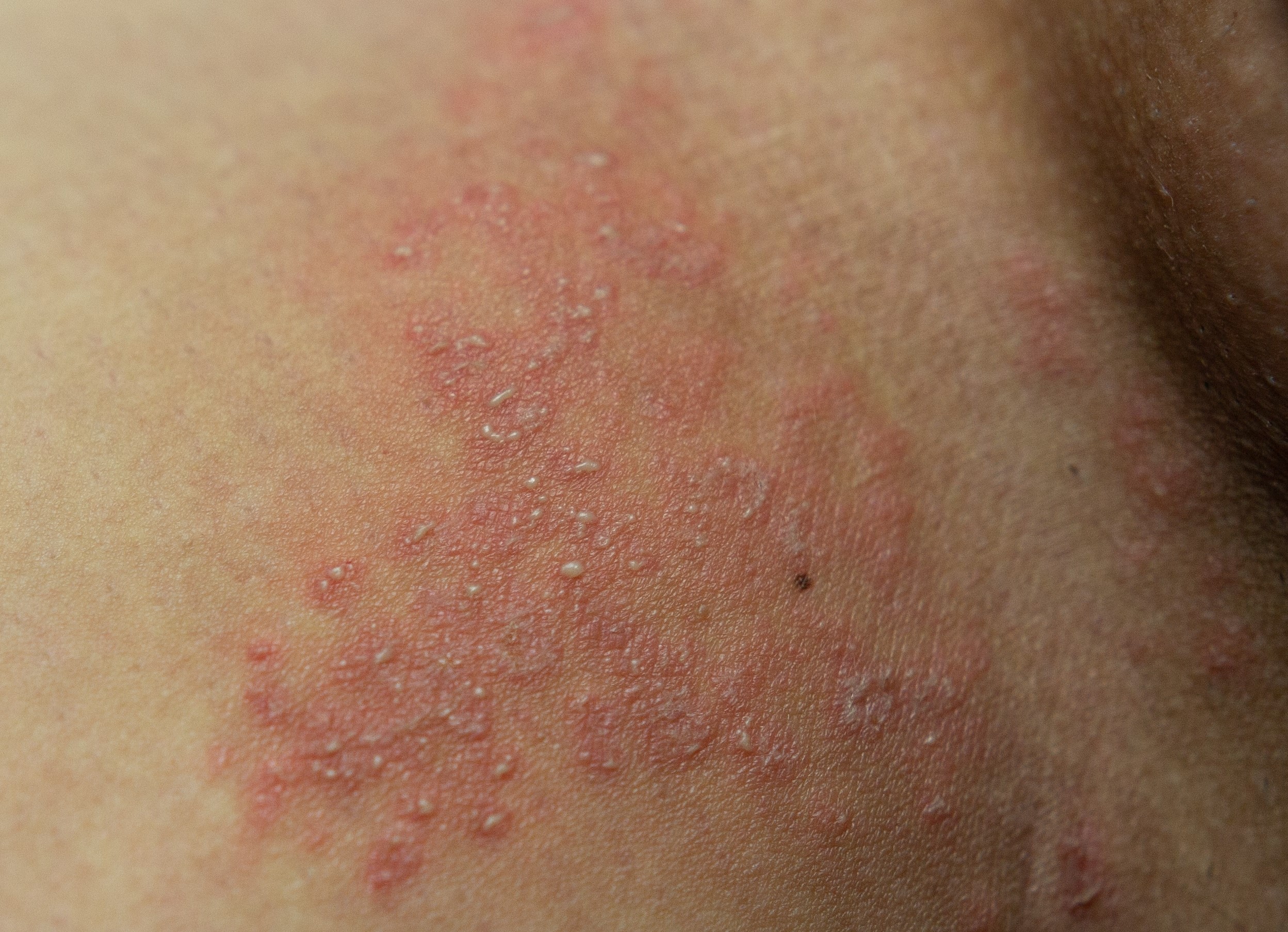
Jock itch is another fungal infection that is caused by dermatophytes, similar mould-like fungi to those that cause ringworm. These fungi are generally harmless and can be found on your skin, hair, and nails. However, when they are exposed to moisture for a long period of time, they can multiply, causing jock itch.
The fungus responsible for causing jock itch is very contagious and can be passed from person to person through direct skin contact or contact with unwashed clothing. Although jock itch can affect anyone, being male, overweight, sweating excessively, and not changing tight clothing after exercise can all increase your risk of developing an infection.
Severe fungal infections are treated with prescription and oral medications, but in most cases over-the-counter (OTC) anti-fungal creams will be sufficient to treat an infection. Canex T is an example of an anti-fungal cream that can be used to address the symptoms of all four of these common conditions. Canex T is a broad-spectrum anti-fungal cream with fungus killing properties that help to reduce the overgrowth of fungi, mould, and dermatophytes on the skin, reducing the symptoms of common mycoses.
Canex T works by targeting and reducing the overgrowth of fungi, mould, and dermatophytes on the skin, helping to relieve symptoms such as itchiness, redness, and scaling. Its fungus-killing-properties and stain-free formulation make it a trusted partner for managing common mycoses.
Fungal skin infections are very rarely dangerous, but they can be embarrassing and cause significant discomfort. By maintaining good hygiene, keeping your skin clean and dry, avoiding sharing personal items, and taking extra care in communal areas, you can all help reduce your risk of developing an infection. If you do develop an infection, using an OTC fungal cream like Canex T can help reduce your symptoms and help you feel more comfortable in your skin.